



Slowly, we're seeing more and more robotaxis in U.S. cities. The majority are vehicles from Waymo, but also from Tesla. Starting next year, Lucid will also join the fray. For now, though, Waymo continues to have the most wheels on the ground.
The company, which already operates models in Austin, Texas, Phoenix, Arizona, Atlanta, Georgia, as well as San Francisco and Los Angeles, California, has announced it will add Dallas, Texas, in 2026, along with Miami, Florida, and Washington D.C.
Naturally, one of the most common questions about these robotaxis concerns safety. There have been some, highly publicized incidents, but generally the service has operated smoothly. In fact, in a bid to reassure the public, Waymo has disclosed some figures that demonstrate it's safer to ride in one of its autonomous vehicles than in one driven by a human.
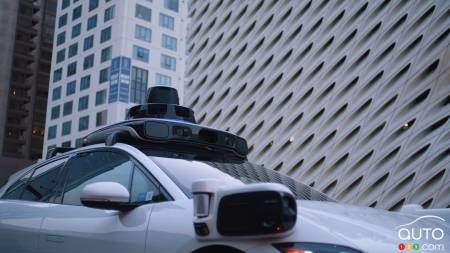
According to data shared by the company, its autonomous driving system has reduced the number of accidents with serious injuries by 88 percent, accidents with airbag deployment by 79 percent, and accidents of any kind with injuries by 78 percent.
Waymo also recorded 93 percent fewer accidents involving injuries to pedestrians, 81 percent fewer involving injuries to cyclists and 86 percent fewer where motorcycles were involved.
Waymo operates over 250,000 paid trips and its taxis cover millions of km each week. In Phoenix, Waymo recently launched a new service tailored for teenagers, allowing those as young as 14 to ride alone in an autonomous taxi.
In June, Tesla launched its robotaxi service in Austin, Texas using several Model Y SUVs. These vehicles made headlines due to an incident, but especially because of manoeuvres that violated traffic laws. Tesla has promised adjustments.
For its part, Lucid is preparing to launch its own service with Nuro and Uber, featuring a fleet of Gravity electric SUVs. Some 20,000 vehicles will be deployed over a six-year period, with a first launch planned in a major U.S. city next year.